
Exploring the cultural significance of casinos in modern society
The Historical Roots of Casinos
Casinos have a rich history that dates back centuries, evolving from simple gambling houses to grand establishments that attract millions worldwide. Originally, gambling was an informal activity linked to various social gatherings, where games were played for entertainment rather than profit. As societies evolved, so did the structures around these games, leading to the establishment of regulated casinos in the 18th century, particularly in Europe. For those interested in modern gaming, maestro-galaxsys.com showcases innovative casino experiences. This transformation marked the beginning of casinos as significant social spaces.
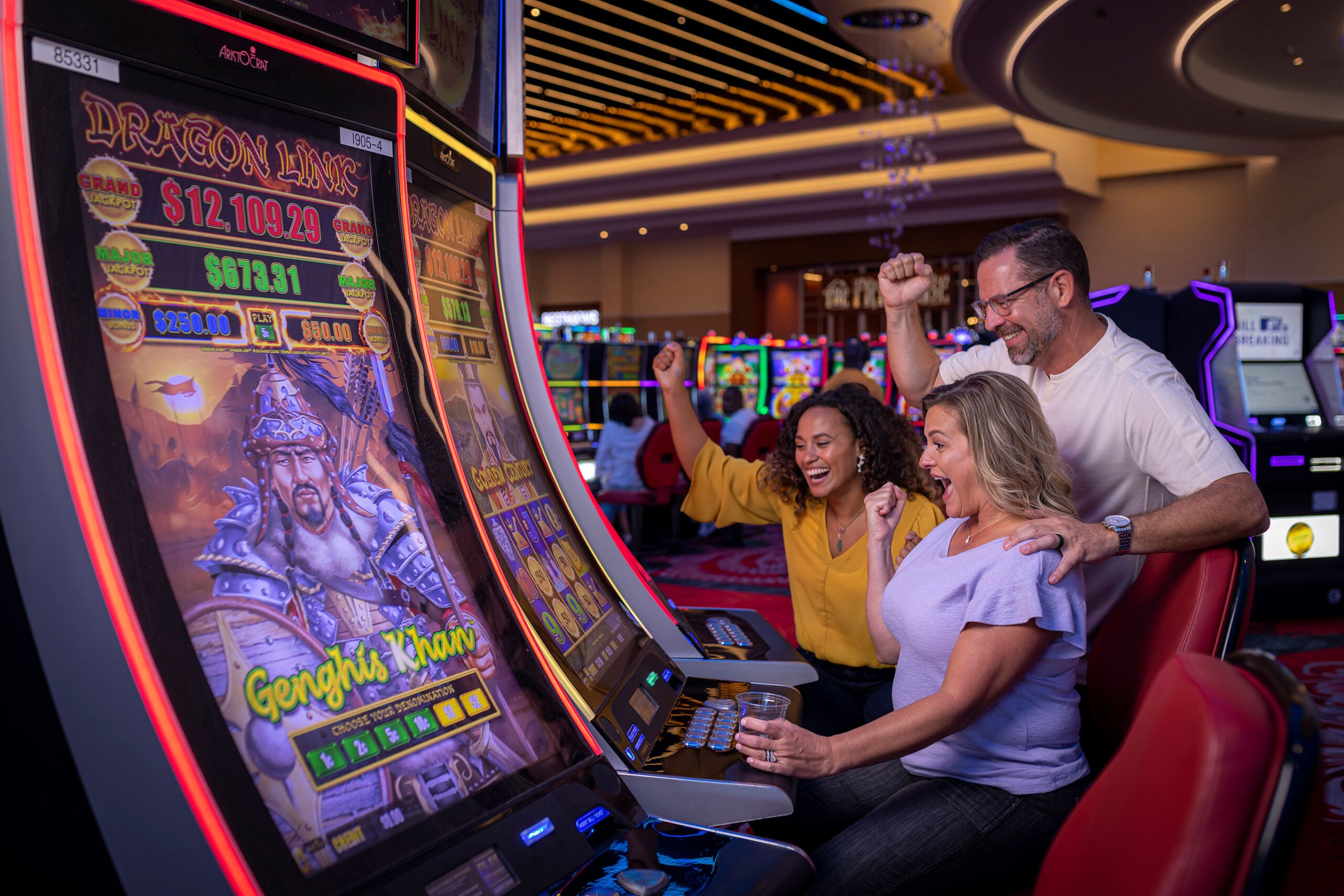
In modern society, the historical evolution of casinos reflects broader cultural trends. As technology advanced, so did the gambling experience. The shift from physical to online casinos opened doors for inclusivity, allowing people from diverse backgrounds to engage with gaming. This evolution signifies the changing perceptions of gambling, from a taboo to a widely accepted form of entertainment.
Casinos as Social Hubs
In contemporary culture, casinos serve as vital social hubs where individuals gather for various reasons beyond gambling. They provide a space for entertainment, leisure, and social interaction. Many casinos host concerts, dining experiences, and shows, making them destinations for individuals and families looking for a night out. This multifaceted role helps to break down social barriers, bringing together people from different walks of life.
The atmosphere of excitement and camaraderie in casinos fosters community building. Friendships are often forged over shared gaming experiences, creating a unique sense of belonging. As such, casinos reflect the evolving nature of social interactions in a rapidly changing world, emphasizing the importance of face-to-face connections in an increasingly digital age.
The Economic Impact of Casinos
Casinos contribute significantly to local and national economies. They create thousands of jobs, not just in the gaming sector but also in hospitality, security, and entertainment. Local businesses often thrive due to the influx of visitors, contributing to the overall economic health of the region. This economic significance underscores the role of casinos as engines of growth, particularly in areas that may otherwise struggle financially.
Furthermore, the tax revenues generated by casinos are often funneled into community projects, infrastructure improvements, and public services. This symbiotic relationship between casinos and the economy illustrates how these establishments can positively impact society, thereby enhancing their cultural significance.
Ethical Considerations and Responsible Gambling
While casinos offer numerous benefits, they also raise ethical considerations regarding responsible gambling and addiction. The thrill of gambling can lead some individuals to develop problematic behaviors, affecting their personal lives and finances. As a response, many casinos have implemented measures to promote responsible gambling, providing resources and support for those in need.
The conversation around ethical gambling practices reflects a broader societal recognition of the need for accountability and support systems. This awareness is crucial in maintaining the positive cultural role of casinos while addressing the challenges associated with gambling addiction. Striking a balance between entertainment and responsibility is essential for the continued acceptance of casinos in modern society.

Discovering Online Casino Culture
As technology continues to advance, the rise of online casinos has revolutionized the gambling landscape. These virtual platforms allow players to engage with their favorite games from the comfort of their homes, expanding access to a wider audience. Online casinos also introduce innovative gaming experiences, such as live dealer games and immersive virtual environments, enhancing the overall player experience.
While online casinos maintain the cultural significance of traditional establishments, they also present new challenges. Issues surrounding security, regulation, and the potential for addiction are critical considerations that need to be addressed. As this digital evolution continues, it will be fascinating to see how online casinos integrate into the cultural fabric of society, reflecting changing attitudes toward gambling.