
Your New Favorite Shared Office Space Is Ready for You
Discover the flexibility and cost-efficiency of shared office space rental, a modern solution for freelancers, startups, and remote teams. These collaborative environments provide fully furnished workspaces, high-speed internet, and access to amenities like meeting rooms and break areas. Perfect for scaling your business without a long-term lease, coworking spaces foster networking and productivity in prime locations.
Why Flexible Desk Solutions Are Redefining Modern Work
Flexible desk solutions are totally shaking up how we work, swapping rigid cubicles for setups that actually adapt to your day. Whether you’re hot-desking in a co-working spot or adjusting a standing desk at home, this shift prioritizes agile workspaces that boost both comfort and collaboration. Nobody wants to be chained to one spot anymore—being able to move, switch gears, or collaborate with a teammate on the fly keeps energy high and burnout low. Plus, companies save big on real estate while giving people the autonomy to choose what works best for them. It’s less about where you sit and more about how you thrive, making flexible options a true game-changer for modern workplace productivity and overall job satisfaction.
The Shift From Commuting to Coworking
Flexible desk solutions are redefining modern work by dismantling the rigid, assigned-seat model in favor of dynamic environments that adapt to fluctuating team sizes and project needs. This shift, driven by hybrid work policies, allows companies to optimize real estate costs while giving employees autonomy over their daily workspace. Agile workspace design now incorporates hot-desking protocols, sit-stand desks, and modular furniture that support both focused deep work and spontaneous collaboration. Key benefits include:
- Reduced square footage per employee, lowering overhead expenses.
- Enhanced employee choice in daily setup, boosting satisfaction and productivity.
- Seamless integration with digital booking systems to avoid desk conflicts.
Ultimately, these solutions prioritize activity-based working over fixed hierarchies, making office space a fluid resource rather than a static asset.
Who Benefits Most from On-Demand Workstations

Flexible desk solutions are shaking up the modern workplace by ditching the old ball-and-chain of assigned seating. Instead, they let employees flow between quiet zones, collaborative tables, or standing desks based on their daily task. This shift directly boosts workplace adaptability, as teams can quickly expand or shrink their footprint without hassle. The perks are real: hot-desking reduces real estate costs, variety cuts down on physical fatigue, and spontaneous meetups fuel creativity. Your desk isn’t where you sit, it’s where your focus takes you. Whether it’s a quiet corner for deep work or a communal bench for brainstorming, these dynamic setups keep the energy high and the space efficient—proving that work today isn’t about where you’re parked, but how well the space moves with you.
Comparing Open Layouts Versus Private Pods
Flexible desk solutions are redefining modern work by enabling dynamic, employee-driven space utilization. Unlike fixed cubicles, these adaptable layouts support hot-desking, team clustering, and quiet zones, which reduces real estate costs while boosting collaboration. Agile workspace design directly responds to hybrid schedules, allowing teams to scale up or down without facility disruptions. Key benefits include reduced square footage per person, improved space efficiency, and integration of sit-stand and modular furniture. Data from occupancy sensors further optimizes desk allocation in real time. This shift prioritizes activity-based working over assigned seating, fostering both autonomy and spontaneous interaction across distributed teams.
Key Amenities That Elevate a Coworking Experience
Coworking spaces have evolved far beyond mere desks, with key amenities now defining the premium experience. High-speed, secure enterprise-grade WiFi is non-negotiable, but truly dynamic spaces elevate the day with curated amenities like soundproof phone booths for private calls, ergonomic sit-stand desks, and on-demand meeting rooms equipped with 4K displays. A thriving community is fueled by barista-quality coffee bars, healthy snack stations, and weekly networking events that turn strangers into collaborators.
The most transformative amenity isn’t a gadget—it’s a vibrant, supportive atmosphere that makes you forget you’re working.
Add in abundant natural light, climate control, and a wellness room for meditation, and a standard workspace transforms into a productivity powerhouse that teams fight to join.
High-Speed Connectivity as a Non-Negotiable
Stepping into a well-designed coworking space, you immediately feel the difference. The best spaces transform work into an experience, offering high-speed business-grade WiFi that never falters. Beyond the internet, thoughtful amenities eliminate friction:
- Private phone booths for uninterrupted calls, blending soundproofing with comfort.
- Ergonomic seating and sit-stand desks that support long focus sessions without stiffness.
- Curated coffee and tea bars, serving as social hubs for serendipitous networking.
These details—from round-the-clock access to secure locker storage—create a rhythm where productivity feels effortless. It’s not just about space; it’s about an ecosystem that respects your time and fuels your momentum.
Breakout Zones and Lounge Areas for Collaboration
A great coworking space isn’t just about a desk—it’s the amenities that turn a workday into a breeze. Look for high-speed internet with redundancy, ensuring zero downtime for video calls or uploads. Ergonomic seating and sit-stand desks are non-negotiable for all-day comfort, while soundproof phone booths let you take client calls privately. Community perks like unlimited premium coffee, micro-roasted on site, and a stocked kitchen with healthy snacks keep energy levels up. On-site wellness rooms for a quick nap or meditation recharge your focus, and curated networking events foster genuine connections. Reliable printing stations, keycard access for 24/7 entry, and greenery-filled lounges that mimic a café vibe round out the essentials. It’s this blend of productivity tools and thoughtful extras that makes coworking feel less like an office and more like a lifestyle upgrade.
Mail Handling, Printing, and Meeting Room Access
A top-tier coworking space transforms work into a lifestyle with amenities designed for both output and recovery. Blazing-fast, reliable Wi-Fi and ample power outlets form the non-negotiable foundation, but true elevation comes from premium coffee bars, soundproof phone booths, and ergonomic furniture that supports long hours. Members also value on-site fitness studios, meditation rooms, and bike storage for seamless wellness integration. These curated features turn a simple desk into a vibrant community hub. Bookable meeting rooms with video conferencing tech, a stocked micro-market, and pet-friendly policies further remove daily friction. Premium coworking amenities drive both productivity and genuine connection.
Pricing Models That Suit Different Budgets
Businesses can select from several pricing models to align with varying financial capacities and usage patterns. A tiered subscription model is common, offering basic, standard, and premium packages that escalate in features and cost, making it suitable for both individual budgets and enterprise requirements. For organizations with fluctuating demand, pay-as-you-go pricing allows payment strictly for resources consumed, effectively managing unpredictable costs. Some providers also offer a freemium model, granting limited access at no charge to attract new users. Alternatively, a flat-rate pricing model provides a single, predictable fee for a set of services, simplifying budgeting for small businesses. Value-based pricing establishes costs on the perceived benefit to the customer, which can justify higher prices for specialized solutions. Each model presents distinct trade-offs between flexibility, predictability, and overall cost, enabling diverse market segments to find a suitable financial arrangement.
Hot Desking: Pay-As-You-Go Flexibility
Choosing the right pricing model is essential for aligning costs with customer value, regardless of budget size. For cost-conscious buyers, freemium and tiered subscription plans offer low-risk entry points, allowing users to access basic features before committing to premium upgrades. Small to medium businesses often benefit from usage-based pricing, which scales expenses in direct proportion to consumption, ensuring they never overpay for idle resources. Enterprise clients, in contrast, typically require flat-rate or per-seat licenses, providing predictable annual costs that simplify budgeting for large teams. A hybrid approach—combining a base retainer with variable add-ons—works well for growing companies that need flexibility without sacrificing core service reliability. Every model should include transparent cancellation terms and clear upgrade paths to build trust.
Common Pricing Models at a Glance:
- Freemium: Free basic tier, paid for advanced features.
- Tiered Subscription: Fixed monthly/annual fee for predefined feature sets.
- Usage-Based: Pay per transaction, API call, or storage unit.
- Flat-Rate/Per-Seat: Single price per user, often with volume discounts.
- Hybrid Retainer: Fixed base fee plus variable add-ons for extras.
Q&A:
Q: Which model is best for a startup with fluctuating revenue?
A: Usage-based or tiered subscription models are ideal, as they let you align costs directly with growth—pay more only when your own usage or customer base expands.
Dedicated Desks for Consistent Access
Pricing models have evolved to fit every wallet, from subscription tiers to one-time purchases. Flexible pricing strategies attract diverse customer segments by offering clear value at each level. For tight budgets, freemium or pay-as-you-go plans allow low-risk entry. Mid-range users often benefit from monthly subscriptions with bundled features, while premium tiers unlock unlimited access and priority support. Scalable options like usage-based billing also suit fluctuating needs.
- Freemium: Free basic features, paid upgrades.
- Subscription: Recurring fee for ongoing access.
- Pay-per-use: Charge only for resources consumed.
- Tiered: Multiple packages with escalating perks.
- Lifetime deal: One-time payment for permanent use.
Monthly Memberships and All-Inclusive Plans
Different budgets demand flexible pricing models, and choosing the right one can unlock value without breaking the bank. For startups or cost-conscious users, subscription tiers offer predictable monthly costs, often scaling from basic free versions to premium feature sets. Freelancers and small teams benefit from pay-as-you-go structures, paying only for what they use. Larger enterprises oftentimes prefer volume-based discounts or flat-rate plans for stability.
Choosing the best model depends entirely on your usage. Compare these common options:
- Freemium: A no-cost entry point with optional paid upgrades, perfect for testing before committing.
- Per-feature pricing: Pay only for the specific tools you need, avoiding waste.
- Annual commitment: Usually slashes the monthly rate by 15–20% in exchange for a yearly payment.
Ultimately, smart pricing means aligning cost with consumption, ensuring every dollar drives measurable results.
Hidden Fees to Watch Out For in Lease Agreements
When Maria started her handmade soap business, she learned that one price tag never fits all. For budget-conscious buyers, a **tiered pricing model** works wonders, offering a basic bar at $5 and a luxury gift set at $20. This lets customers self-select based on need, not just wallet size. Mid-range shoppers often thrive on value-based pricing, where the cost reflects perceived worth—like charging $12 for a lavender soap with a story.
The secret isn’t the lowest price; it’s the right price for the right person.
For enterprise clients—say, a hotel chain ordering 500 bars—Maria uses volume discounts, dropping the unit price to $8. She also experiments with subscription models for recurring revenue: $30 monthly for a curated soap box. Whether a student or a CEO, everyone finds a way to buy.
How to Choose the Right Coworking Space for Your Team
Choosing the right coworking space for your team requires a strategic evaluation of your operational rhythms and growth trajectory. First, prioritize location and commute patterns, ensuring accessibility for all members to reduce friction and increase daily productivity. Next, assess the flexible workspace amenities, such as private phone booths, reliable high-speed internet, and dedicated meeting rooms, which are non-negotiable for professional client interactions. Crucially, review your team’s culture against the space’s ambiance—a quiet, focused atmosphere suits deep work teams, while a vibrant, collaborative energy benefits creative groups. Finally, examine lease terms and scalability; opt for spaces that offer straightforward upgrades or contract adjustments as your team expands, avoiding rigid, long-term commitments. By balancing culture, connectivity, and contract flexibility, you transform a simple desk rental into a productive coworking ecosystem that supports your team’s long-term success.
Location, Commute, and Neighborhood Vibe
Choosing the right coworking space for your team begins with assessing your operational needs, such as location accessibility and commute times for all members. Aligning workspace features with team workflow is crucial; evaluate whether you require private offices for focused work or open areas for collaboration. Review essential amenities like reliable high-speed internet, meeting room availability, and kitchen facilities. Consider the lease flexibility—monthly memberships often suit growing teams better than long-term contracts. Test the space during peak hours to gauge noise levels and culture fit. Finally, compare pricing tiers against your budget, ensuring the space offers growth options without hidden fees for additional desks or services.
Assessing Noise Levels and Privacy Options
Choosing the right coworking space for your team begins with assessing your specific operational needs. Evaluate remote team productivity by considering location accessibility for all members, reliable high-speed internet, and flexible lease terms that accommodate growth or contraction. Inspect the layout: private phone booths, quiet zones, and meeting rooms support focused work, while communal areas foster collaboration. Compare amenities like printing, kitchen facilities, and parking against your daily workflows. Also, review community culture—some spaces emphasize networking events, while others prioritize privacy. A trial day or week can reveal noise levels and crowd density during peak hours.
- Location: Commute times and public transit access.
- Budget: Transparent pricing with no hidden fees.
- Security: 24/7 access and secure lockers or storage.
Q&A: Q: Should I prioritize cost or community? A: Balance both—a low-cost space with poor culture may hurt morale, while a vibrant community can offset higher fees through networking and shared resources.
Scalability for Growing Freelancers and Startups
Choosing the right coworking space for your team requires balancing practical needs with budget constraints. Start by assessing your team’s workflow: a quiet, private area is critical for focused work, while open layouts suit collaborative teams. Location convenience matters—ensure the space is near public transit or major roads to reduce commute times. Evaluate amenities like high-speed internet, meeting rooms, and kitchen facilities against your daily operations. Consider lease flexibility—monthly memberships allow scaling, while fixed desks offer stability. Finally, visit during peak hours to gauge noise levels and community vibe, ensuring the environment supports productivity without unnecessary distractions.
Trial Days and Short-Term Contracts
Picking the right coworking space for your team starts with nailing down your must-haves—like reliable Wi-Fi and private meeting rooms for those confidential calls. Flexible coworking solutions let you scale up or down as your crew grows. Scout the vibe: is it buzzing with startups or more laid-back for focused work? Check the amenities list—think soundproof phone booths, decent coffee, and 24/7 access if your team burns the midnight oil. Location matters too; a spot near transit or lunch spots saves time and energy. Visit during peak hours to feel the noise level, and ask about trial passes. Lastly, read the fine print on contract terms—month-to-month beats a long lease if your team’s still evolving. Keep it practical, and you’ll find a space that feels less like an expense and more like a productivity boost.
Networking and Community Perks Beyond the Desk
Networking and community engagement extend far beyond the confines of a desk, offering substantial perks that enhance professional growth. Participating in industry meetups, online forums, or local co-working events provides access to diverse expertise and collaborative opportunities that can lead to new projects or partnerships. These interactions often yield actionable insights into market trends and problem-solving techniques not found in official documents. The social support from a community also mitigates isolation common in remote work, fostering resilience and shared learning.
Q: How does this benefit a solo freelancer?
A: It opens doors to referrals, skill swaps, and emotional support, directly contributing to client acquisition and work-life balance.
Industry-Specific Hubs and Niche Coworking Groups
Networking and community perks beyond the desk transform a job from a transaction into a career ecosystem. By engaging with peers through hackathons, mentorship circles, or industry mixers, you unlock accelerated career growth that no job description can promise. These connections deliver actionable insights and hidden opportunities, such as beta access to emerging tools or direct referrals. Consider the tangible advantages:
- Real-time problem-solving with diverse experts
- Access to exclusive job boards and investor networks
- Collaborative skill-building through workshops and peer reviews
The strongest professionals don’t just clock in—they build a trusted network that fuels innovation, sidesteps corporate bottlenecks, and positions them for rapid advancement. Join the community, and your desk becomes a launchpad, not a cage.
Regular Events, Workshops, and Social Mixers
Beyond the daily grind, networking and community perks massively amplify your career growth. Getting involved with local meetups or online groups connects you with peers who share your struggles and shortcuts, turning isolated problems into shared wins. These relationships often unlock hidden job markets and collaboration opportunities that no job board can offer. Building a professional network also means tapping into group discounts for conferences, co-working spaces, or premium tools you’d otherwise pay full price for. The real value though? Learning from others’ career pivots and failures before you make them yourself. Stick around, and you’ll find mentorship, accountability buddies, and probably a crew to celebrate wins with over pizza.
Building Partnerships Within Shared Walls
Networking and community perks beyond the desk are the silent engine of career growth, offering access to insider knowledge you simply cannot find in a job description. By attending industry meetups, hackathons, or virtual roundtables, you gain a support system that provides candid feedback, mentorship, and early warnings about market shifts. These connections often lead to referral-only opportunities and collaborative side projects that sharpen your skills in real time. Building strategic professional relationships is a low-cost, high-impact investment. Key perks include:
- Exclusive job leads from trusted peers before they hit public boards.
- Direct problem-solving advice from veterans who have faced similar challenges.
- A personal brand boost through visible participation in thought-leader circles.
Digital Nomad and Remote Worker Essentials
The morning sun spilled across the cobblestone square as Lena opened her laptop, the scent of espresso mingling with the faint hum of a foreign city. For her, the true foundation of this lifestyle wasn’t the view—it was a reliable, high-speed internet connection and a backup mobile hotspot, the invisible lifelines that turned any park bench into an office. She had learned the hard way that digital nomad essentials aren’t just about gadgets; they demand ergonomic discipline, like a portable laptop stand to save her shoulders from a hunch. A noise-canceling headset became her portal back to client meetings, while a universal travel adapter solved voltage mysteries. Yet, the forgotten tool was always a robust VPN, keeping her work secure across unfamiliar Wi-Fi networks. In that moment, sipping her coffee, Lena realized that freedom isn’t about location—it’s about having the right bag of tools ready for anywhere the road leads.
24/7 Access and Time Zone Accommodation
A digital nomad and remote worker ecosystem relies on essentials that blend portability with reliability. A high-performance laptop with at least 16GB RAM and a lightweight, noise-canceling headset form the core hardware kit. Equally critical is a robust virtual private network (VPN) to secure public Wi-Fi, paired with a backup mobile hotspot for connectivity gaps. Reliable internet access remains the single most critical dependency for location-independent work.
Without a secure, redundant internet setup, productivity collapses regardless of your gear or schedule.
Software essentials include a cloud-based project management tool (e.g., Asana or Trello) and a time-zone-aware calendar. For ergonomics, a portable laptop stand and a compact, wireless mouse reduce physical strain. A global health insurance plan covering telemedicine rounds out the essential setup, enabling sustained work from co-working spaces or remote lodges.
Virtual Office Addresses for Business Credibility
To thrive as a digital nomad or remote worker, you must prioritize mobile connectivity and an ergonomic workspace. A reliable laptop, noise-canceling headphones, and a portable Wi-Fi hotspot are non-negotiable hardware. Equally critical is a compact standing desk converter and an external keyboard to prevent strain during long hours in co-working spaces or cafes. Digital nomad essentials include cloud-based tools like Slack, Trello, and a secure VPN to maintain seamless collaboration across time zones. Your digital toolkit should mirror a stationary office: password managers for security, time-tracking apps for discipline, and a noise-suppressing mic for video calls. Without these, productivity falters and isolation increases. Invest in a quality travel backpack with dedicated compartments for cables and chargers; disorganization derails momentum. The margin between success and burnout lies in preparation—never compromise on hardware that enables your location independence.
Secure Lockers and Storage for Travelers
To thrive as a digital nomad or remote worker, prioritize a reliable, high-speed internet connection through a backup hotspot or local eSIM. Ergonomic travel gear is non-negotiable for long-term productivity. Invest in a portable laptop stand, a compact Bluetooth keyboard, and a noise-canceling headset. Essential software includes a VPN for security, a project management tool like Notion, and a time-zone converter. Pack a universal power adapter and a portable power bank for all-day work in cafes or co-working spaces. Your discipline, not your gadgets, ultimately determines your success. Finally, maintain a consistent routine and designate a clear workspace to separate professional focus from travel distractions.
Design and Atmosphere That Boost Productivity
A productive workspace isn’t just about a fancy desk; it’s about creating an environment that helps you actually get things done. Natural light is a game-changer, as it reduces eye strain and keeps your energy levels steady. Clutter is the enemy of focus, so adopting a minimalist layout with smart storage can lower mental load. Optimizing the work environment for comfort—like choosing an ergonomic chair and a plant or two—seriously boosts your output by reducing distractions. Colors matter too; soft blues and greens promote calm focus, while a pop of yellow can spark creativity. For audio, a quiet corner or subtle white noise keeps your brain in the zone. Productivity-boosting design isn’t a luxury—it’s a simple hack for doing your best work without burning out.
Q: I work from a tiny apartment. Can I still improve my productivity with design?
A: Absolutely. Start by defining a “work zone” (even just a corner). Use a room divider or a bookshelf to visually separate it from your living space. Add a small plant, a desk lamp with warm light, and keep only your current task’s tools on the desk. That mental separation is huge for focus.
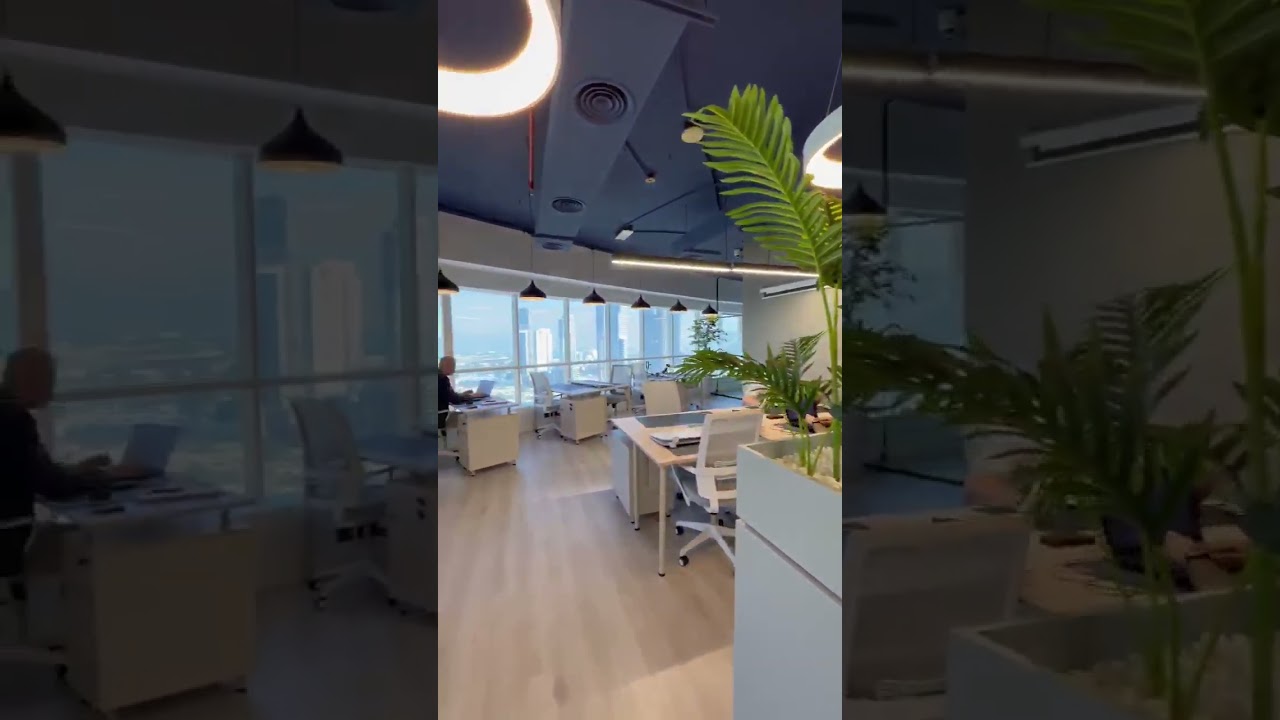

Ergonomic Furniture and Natural Lighting
A productive workspace hinges on intentional design choices that minimize friction and maximize focus. Task-specific zoning is critical, separating areas for deep work, collaboration, and relaxation to prevent cognitive overlap. Incorporate natural light, biophilic elements like plants, and acoustics that control noise—either absorption or white noise generators. A minimalist aesthetic with clean lines and uncluttered surfaces reduces visual stress, while ergonomic furniture ensures physical comfort. Color psychology plays a role: cooler blues and greens for calm concentration, warmer accents for creative brainstorming.
Your environment is the silent partner in every task you complete—design it to work for you, not against you.
To further optimize atmosphere:
- Lighting: Layer ambient, task, and accent lighting; avoid harsh overhead fluorescents.
- Air quality: Invest in air purification and maintain a temperature of 68–72°F (20–22°C).
- Tech hygiene: Cable management and designated charging zones prevent digital clutter.
Acoustic Solutions for Focused Work
A workspace that fuels productivity hinges on smart design and a calming atmosphere. Optimizing workspace layout for efficiency can dramatically reduce distractions. Think clean lines, ample natural light, and clutter-free surfaces. A well-placed plant or a splash of calming blue on the wall can lower stress, while adjustable task lighting prevents eye strain during long focus sessions. The right soundscape—quiet, or gentle background music—also works wonders.
- Lighting: Prioritize daylight; supplement with warm, adjustable lamps.
- Layout: Keep your desk clear of non-essentials; use vertical storage.
- Color: Blues and greens promote calm focus; avoid harsh reds.
Q: Does a messy desk really hurt productivity? A: Yes, visual clutter competes for your attention, making it harder to concentrate on deep work. A quick 2-minute tidy-up can reset your focus.
Biophilic Elements and Green Spaces
Strategic design and atmosphere directly influence workplace productivity by minimizing cognitive load and sustaining focus. An environment optimized for efficiency incorporates ergonomic and sensory balance. Key elements include:
- Lighting: Circadian-friendly, adjustable sources reduce eye strain.
- Acoustics: Sound-masking systems or quiet zones limit distractions.
- Layout: Zoned spaces for deep work, collaboration, and breaks.
- Biophilia: Plants and natural materials lower stress and improve air quality.
Neutral color palettes with controlled accent hues prevent visual overstimulation. A clutter-free environment with accessible tools and intentional thermal comfort (20–24°C) further supports sustained concentration and task completion.
Future Trends in Flexible Workplace Rentals
The landscape of flexible workplace rentals is pivoting toward hybrid-first infrastructure, where landlords retrofit buildings with modular, tech-enabled spaces that adapt in real time. Expect a surge in on-demand micro-offices integrated with AI scheduling and biometric access, slashing administrative overhead. Sustainability will dominate, with net-zero energy pods and biophilic designs becoming standard, not novelties. Meanwhile, a wave of secondary-city hubs will lure talent away from expensive metros, powered by gig-economy lease models that allow seamless scaling. This evolution redefines flexibility—not just as square footage, but as a dynamic ecosystem of wellness, speed, and data-driven agility.
Hybrid-Ready Spaces with Booking Apps
The future of flexible workplace rentals is shifting toward “hybrid-ready ecosystems” that seamlessly integrate physical and digital workspaces. Specialized operators are now prioritizing wellness amenities, biophilic design, and AI-driven space optimization to attract top talent. Key upcoming trends include:
- On-demand expansion: Members can instantly scale square official website footage via app-based reservations.
- Vertical coworking: Multi-floor hubs with dedicated zones for deep work, collaboration, and recovery.
- Boutique micro-spaces: High-privacy pods for two-to-three person teams.
Landlords are adopting revenue-share models, while enterprise clients demand sustainability certifications and carbon-neutral operations. Expect rental agreements to pivot from fixed monthly fees to dynamic pricing based on usage analytics.
Smart Building Technology and Energy Efficiency
Flexible workplace rentals are rapidly evolving, driven by technology and shifting workforce demands. The rise of hybrid models fuels demand for on-demand, tech-enabled spaces that blend private offices with collaborative zones. The future of flexible office space will see a surge in data-driven, AI-managed properties that optimize usage and personalization. Key trends include:
- Hub-and-spoke networks: Companies rent smaller satellite offices near talent pools.
- Wellness-centric designs: Biophilic elements and air quality monitoring become standard.
- Integrated subscription models: Access to nationwide portfolios via a single, scalable membership.
These spaces are no longer just desks—they are dynamic ecosystems for attracting top talent.
Pop-Up Coworking in Suburban and Rural Areas
As we step into the next decade, the demand for flexible workspace solutions is reshaping city skylines. Gone are the days of rigid, 10-year leases. The modern workforce now craves hybrid hubs that blend remote focus with spontaneous collaboration. I’ve watched landlords evolve into experience curators, embedding wellness zones and smart IoT rooms into their buildings. Meanwhile, short-term pop-up offices are thriving in suburban parks, letting startups test markets without heavy investment. This isn’t just about desks anymore—it’s about crafting a living ecosystem where loyalty is earned monthly, not annually.
- **AI-driven space matching** will pair companies with the right layout and location in minutes.
- **Subscription-based models** will dominate, offering all-inclusive access to meeting rooms, lounges, and virtual addresses.
- **Sustainability credits** will become a key rental perk, attracting eco-conscious enterprises.
Q&A
Q: Will traditional offices die?
A: Not entirely—they will hybridize. Expect a 50/50 split between owned headquarters and on-demand spaces, with the latter handling overflow and remote teams.